Europe is one of the world's finest destinations for a family trip. It's safe, it boasts outstanding infrastructure, its culture is accessible to every age group, and it offers experiences that thrill both parents and children alike. From watching gladiators come to life at the Colosseum to savoring gelato in an Italian piazza, from racing through the gardens of a French château to catching a FC Barcelona match at Camp Nou — Europe has something for every member of the family.
The real challenge isn't deciding where to go — it's designing an itinerary where everyone genuinely thrives. And that is precisely what we do at Vilu. We have crafted hundreds of family journeys to Europe, and we know that the secret lies in pace, age-appropriate experiences, and the thoughtful details that turn traveling with children into a pleasure rather than a source of stress.
How Many Days for a Family Trip to Europe?
We recommend a minimum of 10 nights for a single country and ideally 14–21 nights when combining 2–3 countries. With children, the golden rule is: fewer destinations, more time in each one. Kids need a slower rhythm — you simply cannot cover 4 cities in 7 days the way you might as a couple. Each destination requires at least 3 nights so the family can settle in, explore at a relaxed pace, and have adequate time to rest.
Italy with Children
Rome (3–4 nights). The Colosseum captivates children of all ages — the stories of gladiators and epic battles spring to life when you're standing right there on the arena floor. The Vatican can feel overwhelming for very young children, but with a family-specialist guide who knows how to hold their attention through interactive storytelling and scavenger-style activities, it becomes an adventure. Tossing a coin into the Trevi Fountain, snacking on pizza al taglio, and gelato as a reward after every cultural stop — Rome works beautifully with children.
Florence (3 nights). Art workshops where children paint, try their hand at ceramics, or learn to make fresh pasta with a nonna. With guides who truly understand kids and design shorter, interactive tours, Florence transforms from "just museums" into an experience children carry with them for the rest of their lives.
Tuscany (3–4 nights). Agriturismos with pools where children roam freely among olive trees while parents enjoy a glass of red wine overlooking sun-drenched vineyards. Family cooking classes where everyone learns to make pasta together. Tuscany is where the family trip finally exhales — and where many families tell us they experienced their most cherished moments.
Amalfi Coast (3–4 nights). Private boat excursions between Positano, Amalfi, and Ravello where children can swim in hidden coves. Open from April through October only. The winding coastal roads can be challenging for children prone to motion sickness — a private boat is by far the best way to get around.
Venice (2 nights). Gondola rides delight children, and getting pleasantly lost in the narrow alleyways is a natural adventure in itself. Two nights are plenty.
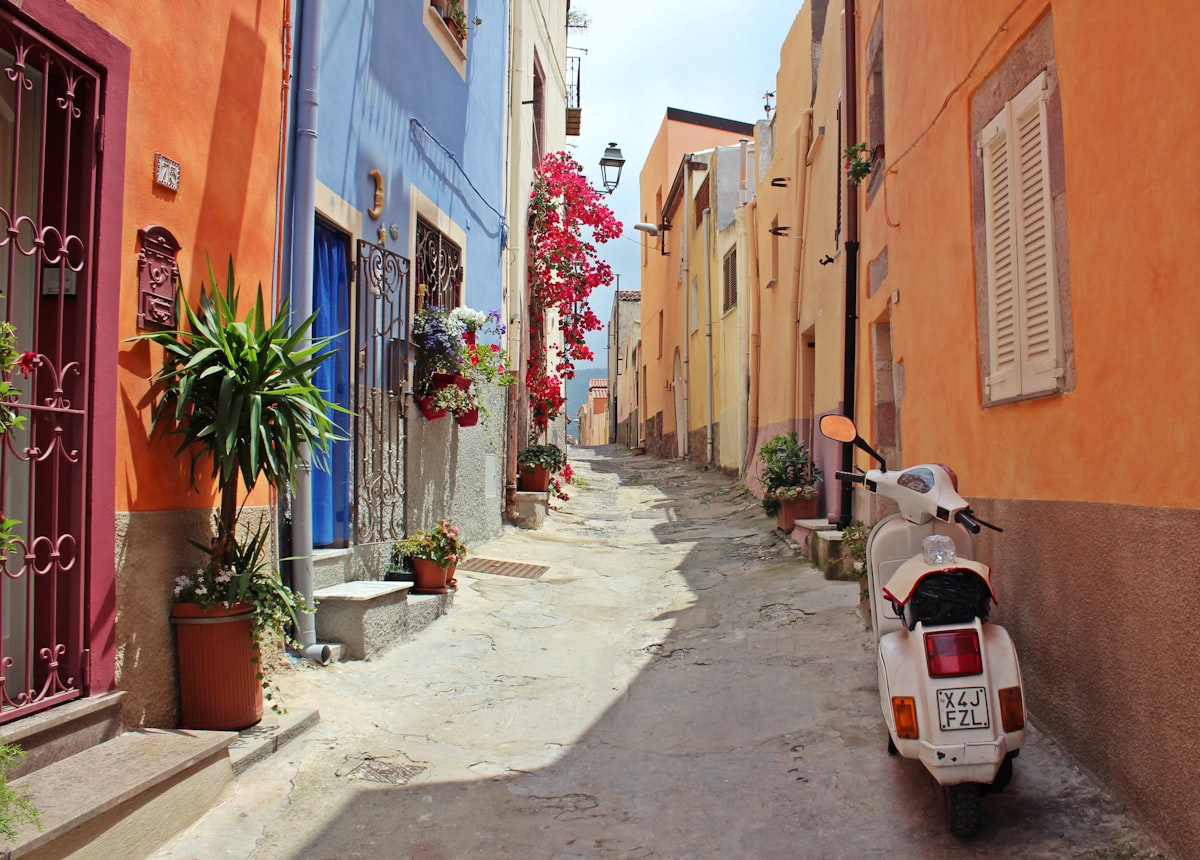
Sardinia (4–5 nights). For families seeking beach time, Sardinia offers some of the finest shores in the entire Mediterranean. White sand, crystalline water, and excellent family resorts with kids' clubs. The perfect closing chapter for a family journey through Italy.

Spain with Children
Spain is extraordinary for families for one reason that many overlook: the Spanish way of life is naturally unhurried. Dinners run late, plazas buzz with energy well into the evening, and tapas are the ideal format for children — small portions of everything.
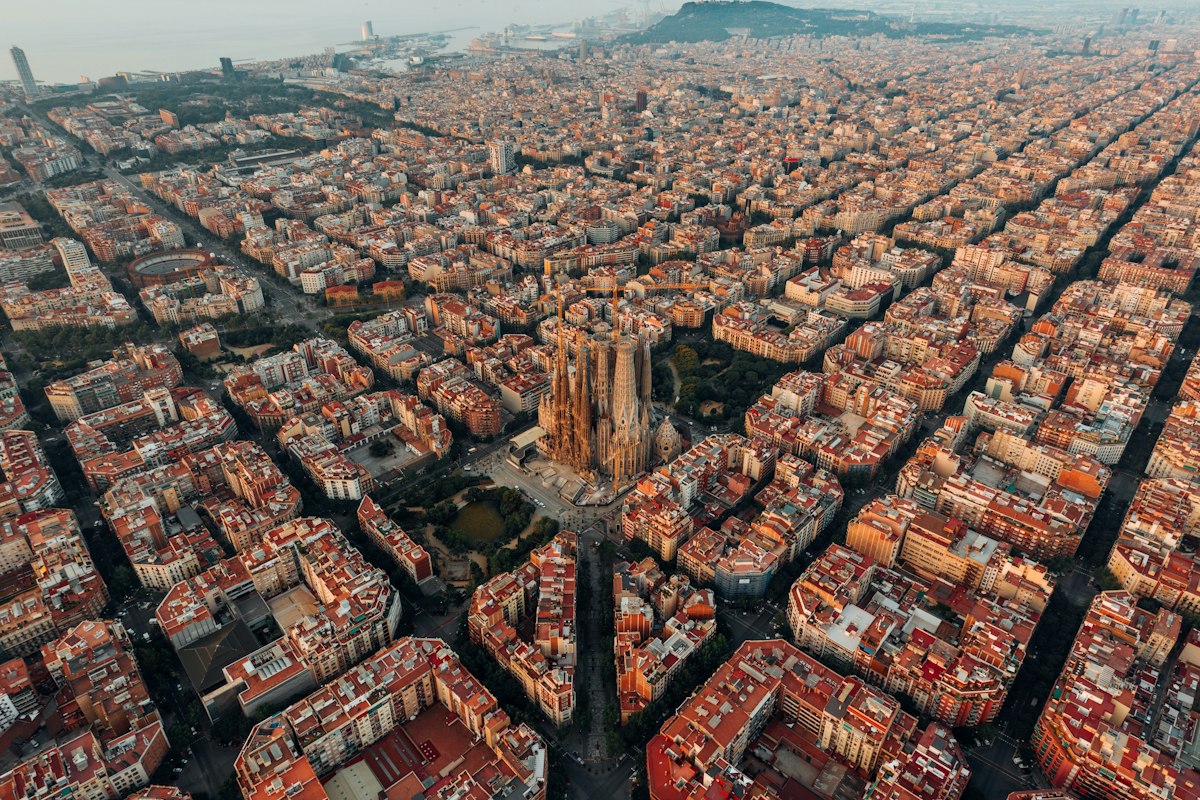
Barcelona (3–4 nights). Gaudí captivates children — the Sagrada Família looks as though it was pulled straight from a fantasy novel, and Park Güell is an artistic playground. Barceloneta Beach offers the perfect break between activities. And for football-loving families, visiting Camp Nou and watching a FC Barcelona match is an experience children never forget. Stadium tours with family-specialist guides feature interactive rallies and activities that keep every age engaged.
Madrid (3 nights). Retiro Park is vast, with rowboats on the lake, puppet shows, and endless open space to run. The Prado Museum can be beautifully tailored for children by guides who transform the paintings into compelling stories. And for fans of the rival side, Real Madrid's Santiago Bernabéu stadium is equally impressive.
Seville (2–3 nights). The Alcázar feels like a storybook palace with its gardens, fountains, and vibrant mosaic tilework — children dart from courtyard to courtyard discovering hidden corners. The Plaza de España is spectacular for family photos. A flamenco show adapted for family audiences can genuinely surprise every generation.
Mallorca (4–5 nights). The ideal island for families in Spain. Calm, shallow beaches perfect for children, secluded coves, and charming villages like Valldemossa and Deià. Family-friendly hotels with pools and organized activities make this the perfect conclusion after the cities.
France with Children
France holds one enormous advantage for families: the boulangerie. A croissant or a pain au chocolat can resolve any moment of hunger or childhood grumpiness. They appear on virtually every corner and serve as the perfect snack at any hour.
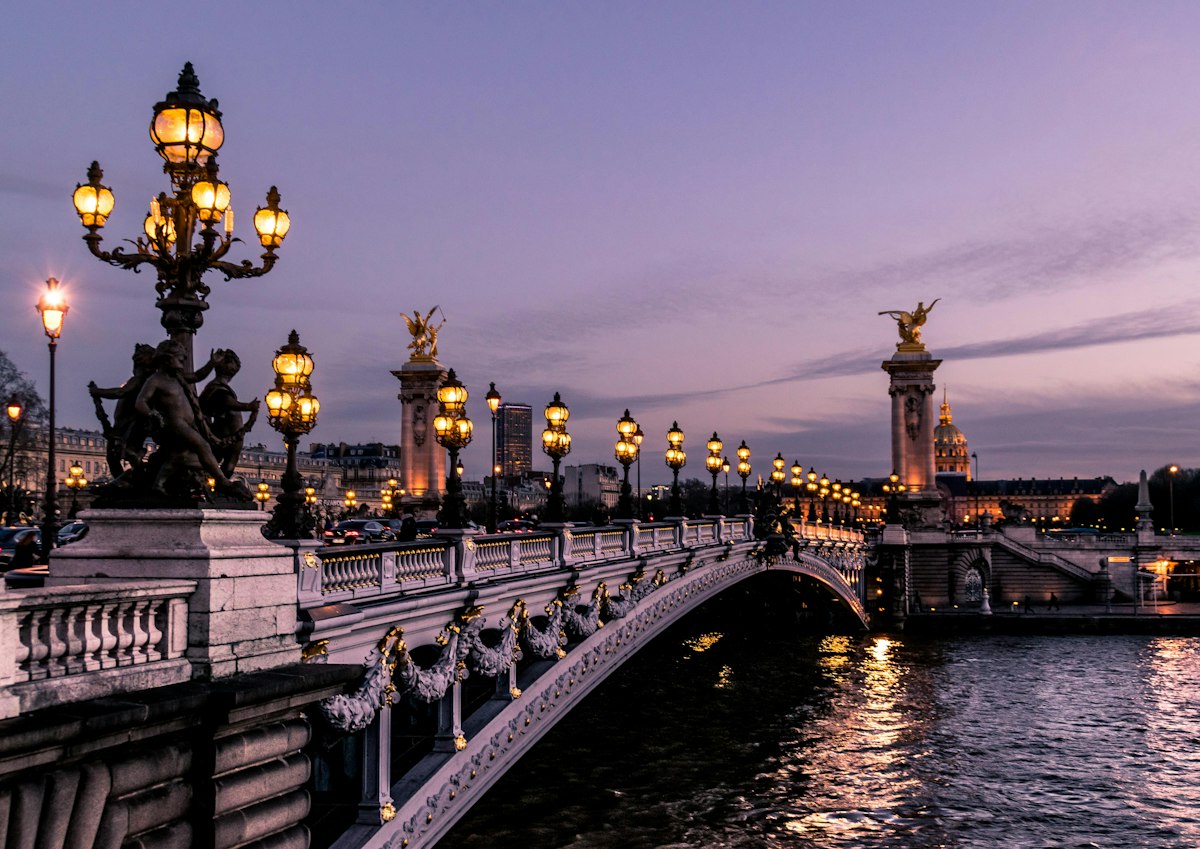
Paris (3–4 nights). The Eiffel Tower is a guaranteed hit for every age. The Louvre can feel overwhelming, but with a family-specialist guide who cherry-picks the essential masterpieces and structures the visit as a scavenger hunt or interactive rally, children enjoy it enormously — the key is keeping tours short, no more than 1.5–2 hours. A sunset cruise along the Seine is magical for the entire family. And Disneyland Paris is just 40 minutes away.
Provence (3–4 nights). Lavender fields (June–July), village markets, and picture-perfect villages like Gordes, Roussillon, and Saint-Rémy. Cycling along country lanes, visiting lavender farms. Provence is where the family trip slows down and everyone simply breathes.
French Riviera (3–4 nights). Nice with its legendary waterfront promenade, Monaco with its luxury cars that fascinate children (and many parents), Cannes with its beaches, and Saint-Paul-de-Vence with its galleries and medieval alleyways.
Loire Valley (2–3 nights). Children love castles — and the Loire Valley has more than 300 of them. Chambord (immense, featuring Leonardo da Vinci's iconic double-helix staircase), Chenonceau (built spanning a river). Many châteaux offer special family programs complete with costumes, medieval games, and interactive activities. It's living history that children absorb completely naturally.
The Key: Guides and Experiences Tailored for Children
This is what truly makes the difference on a family trip to Europe — and where Vilu delivers exceptional value. A four-hour tour of the Vatican with a guide delivering a lecture is a world away from a 1.5-hour interactive rally led by someone who genuinely understands children: asking them questions, weaving stories of adventure, and keeping them fully engaged throughout.
At Vilu, we work with family-specialist guides at every destination. These are guides who understand that a seven-year-old's attention span runs to 45 minutes, not 3 hours. Who design scavenger hunts and treasure hunts inside museums. Who recount the story of the Colosseum as though it were an action film. Who deliver shorter but more immersive tours — quality over quantity, always.
We also build itineraries with deliberate "gelato breaks," "park breaks," and free time between activities. Because a child who has spent an hour running through a park will enjoy the next cultural experience far more than one who has endured four straight hours of museums.
What Age Is Best to Take Children to Europe?
Babies (0–2 years). Logistically feasible but demanding. The long-haul flight is the greatest challenge. The trip is really more for the parents than for the baby.
Toddlers and preschoolers (3–6 years). Sensory experiences work far better than cultural ones at this stage. Beaches, parks, gelato, pizza, animals. Skip the five museums — take them to the beach and weave in one short cultural activity per day.
School-age children (7–12 years). The golden age for traveling to Europe. They begin to genuinely appreciate history and culture when it's presented in an engaging way. With the right guides, the Colosseum and the châteaux become true adventures.
Teenagers (13+). Can enjoy almost everything an adult can. Gastronomy, history, art, sports, shopping. Involve them in the planning — let them choose an activity or a restaurant. A teenager who feels they had a say in the journey enjoys it immeasurably more.
"Vilu designed an itinerary where our kids were just as excited as we were."
Frequently Asked Questions About Family Trips to Europe
Is It Better to Visit One Country or Several with Children?
With children, less is more. A single country over 10–14 days allows for a relaxed pace free from the stress of crossing borders. If you have 21 days, you can comfortably combine 2 neighboring countries — Italy + Greece, Spain + Portugal, France + Spain.
What Type of Accommodation Is Best for Families?
Suites or connecting rooms that offer generous space. Apartments or agriturismos when children need the freedom to move around. Hotels with pools are practically essential in summer. In Tuscany and Provence, rural houses with gardens and private pools are the ideal choice.
Which European Country Is Best for a First Family Trip?
Italy or Spain. Both offer food that children naturally love (pizza, pasta, tapas), a pleasant climate, accessible culture, and a genuinely relaxed attitude toward families. Spain carries the added advantage of a shared language for Latin American families.
| Country | Ideal Nights | Family Highlights | Best Season | Price Level |
|---|---|---|---|---|
| Italy | 10-14 | Pizza, gelato, living history, beaches | Apr–Jun / Sep–Oct | Medium-high |
| Spain | 10-14 | Tapas, relaxed pace, football, beaches | Apr–Jun / Sep–Oct | Medium |
| France | 10-14 | Châteaux, Disneyland, boulangeries | May–Jun / Sep–Oct | Medium-high |
| Greece | 7-10 | Safe islands, mythology, beaches | May–Jun / Sep–Oct | Medium |
| Portugal | 7-10 | Trams, palaces, Algarve | Apr–Oct | Accessible |
| Croatia | 7-10 | Crystal-clear beaches, medieval history | Jun–Sep | Medium |
| Switzerland | 7-10 | Mountains, trains, nature | Jun–Sep | High |
Ready for the perfect family trip?
Our team of Travel Designers will contact you within 24 hours.