It's the question we hear most often at Vilu: "How much is a trip to Europe going to cost me?" The honest answer is that it depends on many factors — but after designing hundreds of European journeys, we can give you a clear framework so you know what to expect and how to plan.
This guide provides real price ranges drawn from our experience, with no inflated figures or vague promises. What's important to understand from the start: a well-designed luxury trip doesn't have to be the most expensive — it has to be the most intelligent.
The factors that define your budget
There is no "standard price" for a trip to Europe because every journey is entirely different. These are the factors that have the greatest impact:
Destination. Switzerland and Portugal are worlds apart. Northern Europe (Norway, Switzerland, Iceland) is significantly more expensive than Southern Europe (Spain, Greece, Croatia) or Central Europe (Prague, Budapest, Vienna).
Season. Traveling to the Amalfi Coast in July costs considerably more than in May — and in May the weather is just as beautiful with half the crowds.
Accommodation type. The difference between a charming boutique hotel and an ultra-luxury property with a private butler can multiply your budget by three or more.
Duration. More days doesn't always mean proportionally more expensive — flights cost the same whether you travel for 10 or 20 days.
Experiences. A private dinner at a Tuscan vineyard, a skip-the-line private tour of the Vatican, or a helicopter flight over the Norwegian fjords elevate the experience — and the budget.
How much does a trip to Europe with Vilu Travel cost?
These are real ranges based on the trips we design, per person per night, excluding flights and trains:
Accessible luxury range: $300 – $500 USD per person per night. This includes well-located luxury hotels (4–5 stars), quality dining, private transfers, and curated experiences. It's an exceptional trip where every detail is carefully considered, with hotels that deliver a truly memorable stay without reaching the ultra-luxury tier.
Ultra-luxury range: $2,000 – $4,000+ USD per person per night. This includes the world's most exclusive properties (suites at Aman, Four Seasons, Belmond, Rosewood), fully private experiences, dedicated drivers, Michelin-starred restaurants, and that level of service where every moment feels designed exclusively for you.
Between these two ranges lies a wide spectrum where most of our travelers land. Your Travel Designer will help you find precisely the point where the quality of the experience is maximized for your budget.
Important: these ranges vary by country. A trip to Portugal or Greece can sit comfortably in the more accessible range, while Switzerland, Norway, or Iceland tend toward the higher end. Italy and France move in a mid-to-high range depending on the region and season.
How much does it vary by destination?
Southern Europe — Spain, Portugal, Greece, Croatia, southern Italy. Outstanding value for money. Exceptional gastronomy, beaches, culture, and history at far more accessible costs than the north. Portugal and Greece are particularly compelling in this regard.
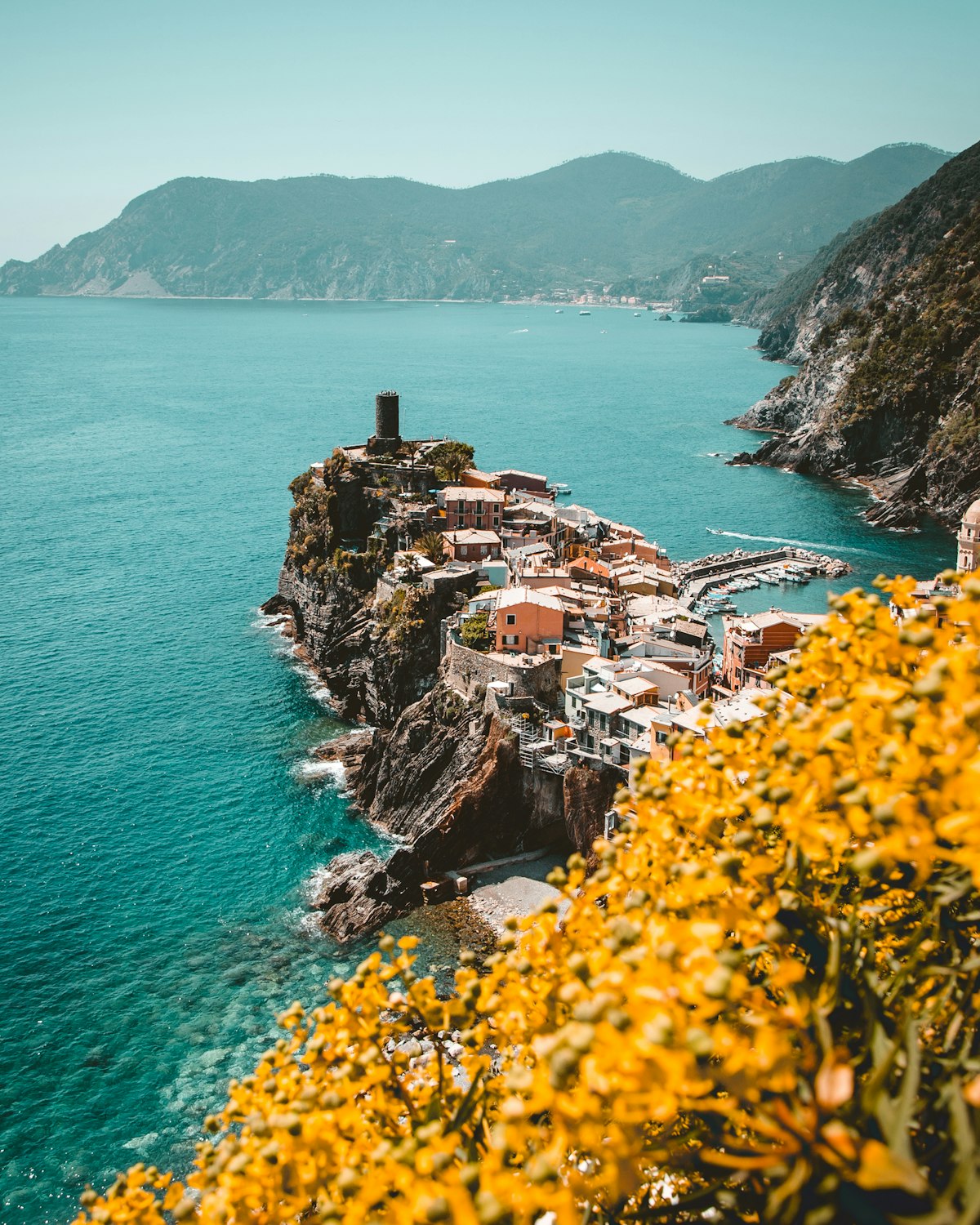
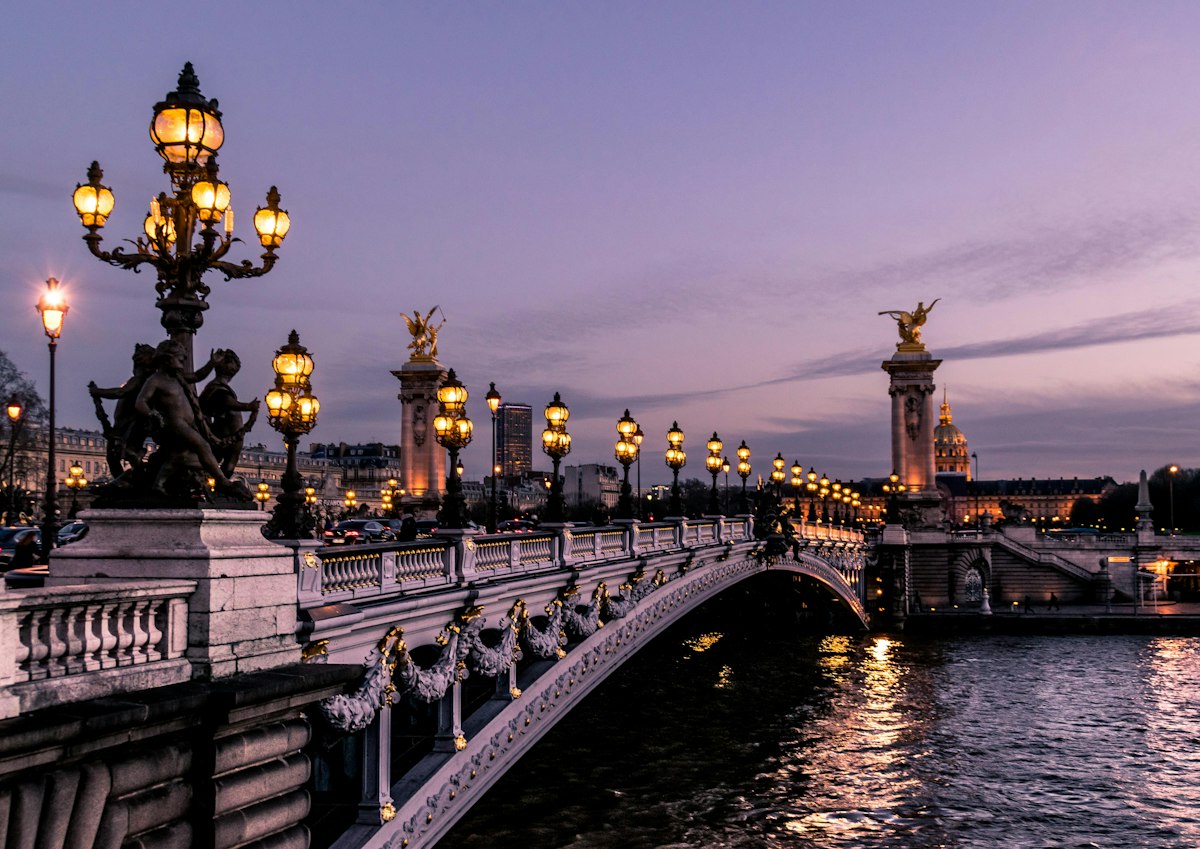
Western Europe — France, Italy (north and center), the United Kingdom. Mid-to-high range. Paris, London, and Italy's most sought-after regions (Amalfi, Tuscany, Lake Como) are among the most in-demand destinations, and prices reflect that.
Northern Europe — Norway, Sweden, Iceland, Switzerland. The continent's most expensive destinations. Everything costs more — from food to accommodation. But the landscapes and experiences are absolutely one of a kind.
Central Europe — Prague, Budapest, Vienna. Europe's best-kept secret. Spectacular cities, extraordinarily rich culture, and costs significantly lower than the west. A savvy choice for travelers who want luxury with superior value for money.
Peak season vs. shoulder season
This is one of the areas where you can optimize your budget the most:
Peak season (June through August and Christmas). Everything is more expensive, more crowded, and harder to book. The finest hotels sell out months in advance. If you're traveling during these dates, contact your Travel Designer at least 4–6 months ahead.
Shoulder season (April–May and September–October). Our top recommendation. The weather is excellent, prices drop considerably, crowds thin out, and availability at top hotels is much better. September in Italy or May in Greece are as close to perfect as it gets.
Low season (November through March). Lower prices but cold weather across most destinations. Works beautifully for city travel (Paris, Rome, Vienna, Prague) where cultural life remains vibrant. We don't recommend it for beach or island destinations.
How many days and how many countries?
The most common mistake we see is trying to visit 5 countries in 10 days. The result is an exhausting trip where you spend more time in airports and train stations than actually savoring your destinations.
Our recommendation: no more than 2–3 countries in 14 days. If you have 10 days, stay in one country or at most two that are close together (for example: Italy + Greece, or Spain + Portugal).
Fewer destinations means greater depth — more time to wander through a city, more opportunity to discover that restaurant that appears in no guidebook. And in the end, those are the moments you carry with you forever.
How to optimize your budget without sacrificing the experience
After designing hundreds of European trips, these are the tips that make the biggest difference:
Travel in shoulder season. April–May and September–October offer excellent weather at significantly lower prices.
Mix accommodation levels. Not every night needs to be at an ultra-luxury property. You can combine 3–4 nights at an exceptional flagship hotel with nights at charming boutique hotels — the overall experience remains extraordinary.
Take advantage of the trains. In Europe, high-speed rail is often faster and more comfortable than flying (and without airport wait times). Paris–Lyon, Rome–Florence, Madrid–Barcelona — all under 3 hours.
Book in advance. The finest hotels and experiences offer better rates with early reservations. You also secure availability at the most coveted properties.
Trust an expert. A Travel Designer knows which restaurant is truly worth it and which one is merely charging a premium for its address, which hotel offers the best quality-to-experience ratio, and which experiences are genuinely unique versus tourist traps.
Why Vilu can optimize your investment
There's a perception that booking with Vilu is "more expensive." The reality is that in many cases it optimizes your investment because:
We have access to preferential rates and VIP benefits through Serandipians and our direct hotel partnerships. This includes room upgrades, spa credits, included breakfast, and amenities you simply don't receive when booking on your own.
We know these destinations firsthand — we know what's worth it and what isn't. That saves you from costly mistakes like booking a hotel with beautiful photos but a poor location, or overpaying for a tourist experience that doesn't deliver.
And most importantly: we design an itinerary where every day makes sense — no wasted time, no stressful logistics, no unpleasant surprises.
"Vilu designed an itinerary where my children were just as excited as we were."
Frequently asked questions about budgeting for Europe
How many days do I need for a trip to Europe?
We recommend a minimum of 10 days for a trip that truly delivers. The ideal is 14–21 days, especially if it's your first time or you want to visit more than one country. With fewer than 10 days, stay in a single city or region.
Is it better to plan on my own or with Vilu?
It depends on what you value. If your time is precious and you want every moment to count, Vilu saves you weeks of research, gives you access to exclusive experiences and VIP benefits, and handles all the logistics. If you enjoy the process of researching and planning, you can certainly do it yourself — but you likely won't have access to the same VIP hotel benefits.
What is the best time to travel to Europe?
September and October offer the best value: excellent weather, fewer tourists, better rates, and availability. May and June are equally wonderful. Avoid July and August if you can — it's the most expensive and most crowded season.
Europe by region: a quick comparison
| Region | Examples | Cost range | Best season | Ideal for |
|---|---|---|---|---|
| Southern Europe | Spain, Portugal, Greece, Croatia | Most accessible | May–Jun / Sep–Oct | Beaches, gastronomy, culture |
| Western Europe | France, Italy, United Kingdom | Mid-to-high | Apr–Jun / Sep–Oct | Romance, art, gastronomy |
| Northern Europe | Norway, Switzerland, Iceland | High | Jun–Aug (summer) | Nature, adventure, scenery |
| Central Europe | Prague, Budapest, Vienna | Most accessible | Apr–Jun / Sep–Oct | Culture, architecture, value |
Ready to design your journey?
Our team of Travel Designers will contact you within 24 hours.